
Hauts-de-France: A region of historical depth
Hauts-de-France is the modern name for the region formerly known as Nord-Pas-de-Calais–Picardie, one of 13 new regions created during France’s territorial reform, which took effect on January 1, 2016. The name became officially recognized by the Council of State on October 1, 2016.
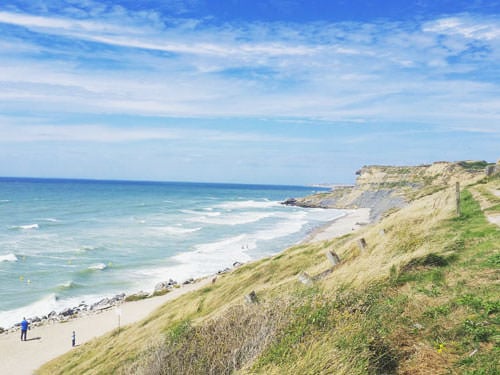
This region brings together the former administrative areas of Nord-Pas-de-Calais and Picardie, merging their distinct histories and cultural identities into one dynamic region.
- The Nord department corresponds to the historical territories of French Flanders, Hainaut, and the ecclesiastical principality of Cambresis. It boasts vibrant cities such as Douai, Dunkirk, Hazebrouck, Maubeuge, Tourcoing, Roubaix, and Valenciennes, with Lille as both the departmental capital and the region’s administrative center (préfecture).
- The Pas-de-Calais department replaced the historic provinces of Calaisis, Boulonnais, Artois, and Ponthieu. Its key cities include Béthune, Boulogne-sur-Mer, Calais, Lens, Liévin, and its capital, Arras.
- The Picardie region was transformed into the department of the same name, preserving the identity of this historical region. Major cities include Abbeville, Beauvais, Laon, Saint-Quentin, and its capital, Amiens, known for its spectacular Gothic cathedral.
Hauts-de-France‘s geographical and administrative Structure

Hauts-de-France is bordered by Belgium to the north, the English Channel and Normandy to the west, Grand Est to the east, and the Île-de-France region to the south. It encompasses five departments:
- Nord (59) – Lille
- Pas-de-Calais (62) – Arras
- Aisne (02) – Laon
- Oise (60) – Beauvais
- Somme (80) – Amiens
As the préfecture and administrative center, Lille is a thriving cultural and economic hub.
It is renowned for its Flemish-inspired architecture, lively festivals, and role as a major crossroads of northern Europe, making it a gateway between France and Belgium.
Hauts-de-France: A region of history and seaside charm
The Hauts-de-France region holds a profound place in history, as it was at the heart of some of the most deadly offensives on the Western Front during World War I. The battles fought on its soil, including those at the Somme, Arras, and Vimy Ridge, left a lasting mark on the region and the world.

Today, the battlefields of World War I, especially in Picardie, have become the focus of active memorial tourism. Visitors from around the globe come to pay tribute and learn about the past at these ancient battlefields, war memorials, and military cemeteries, such as the Thiepval Memorial to the Missing and the Canadian National Vimy Memorial. These solemn sites offer a powerful reminder of the sacrifices made during the Great War.
Beyond its historical significance, Hauts-de-France is also a destination for those seeking leisure and relaxation. The region’s pleasant oceanic climate and its scenic coastline along the English Channel have given rise to trendy seaside resorts, particularly along the Opal Coast. Towns like Le Touquet-Paris-Plage, Berck-sur-Mer, and Boulogne-sur-Mer attract visitors with their sandy and pebble beaches, charming promenades, and vibrant cultural scenes. Inland, the region’s historic towns and villages showcase the legacy of French and Flemish culture.
So, with its blend of poignant history and coastal beauty, Hauts-de-France offers a unique combination of reflection and recreation, making it a compelling destination for travelers of all interests.
Hauts-de-France in numbers:
Area: 31,813 km2
Population: 5,973.098 (2012)


