Commarque castle in Périgord
The imposing Commarque castle, once belonging to the barons of Beynac and lords of Commarque, is gradually restored after 3 centuries of neglect


The imposing Commarque castle, once belonging to the barons of Beynac and lords of Commarque, is gradually restored after 3 centuries of neglect

The Dolmen de Martignes and Dolmen du Cloup de Coutze stand as the most renowned among the 12 dolmens recorded in Beduer, a quintessential Quercy village nestled along the revered St. James Way pilgrimage route
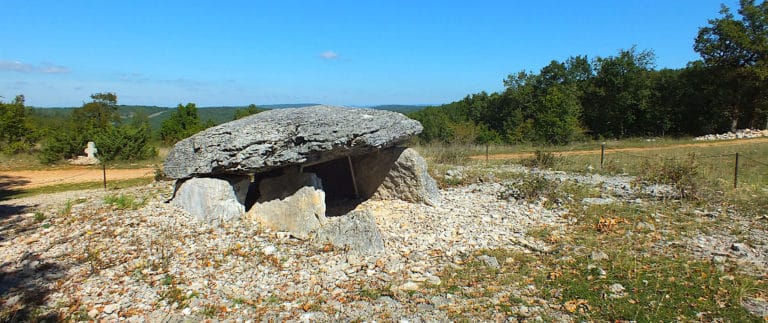
Dolmen du Pech-Laglayre is a group of 3 dolmens, 2 still standing, located along Saint-James Way, on the heights of the municipality of Grealou in the Lot
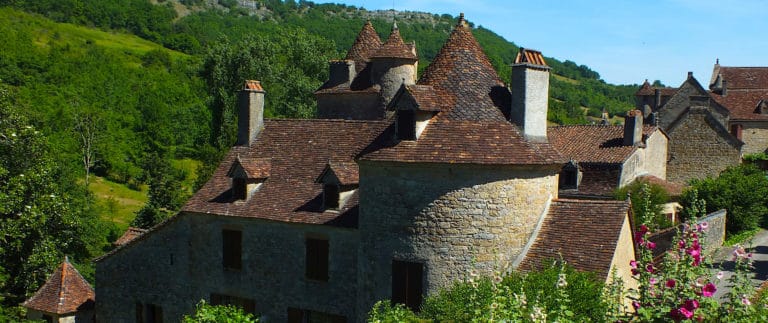
Château de Limargue, a manor house that boasts exceptional architectural features and is located in Autoire, one of the most beautiful villages of France
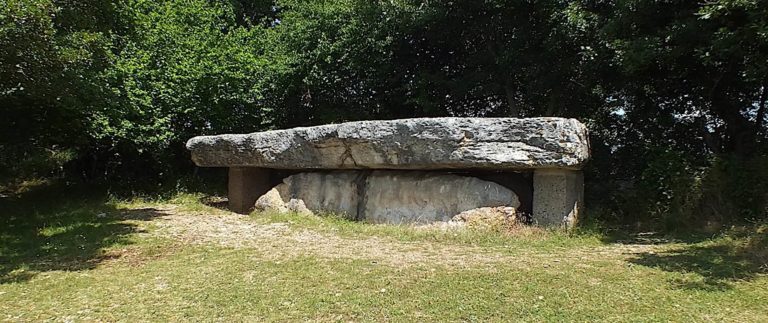
Dolmen de la Pierre Martine in Livernon, the largest dolmen in the Lot department, was erected near the Neolithic limestone quarry where its slabs came from
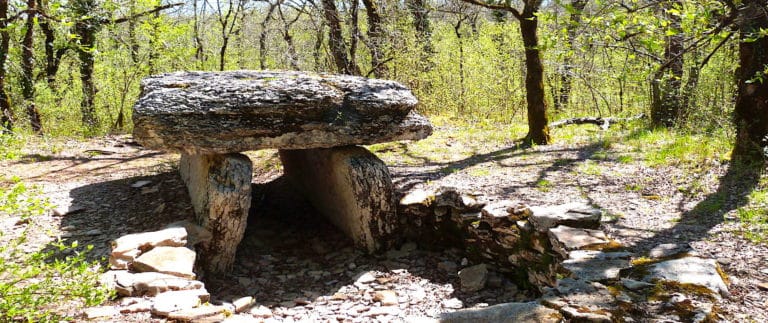
The Dolmen du Bois de Galtier is the most famous of the 30 dolmens listed in Martiel, a municipality of Aveyron with the highest concentration of megaliths
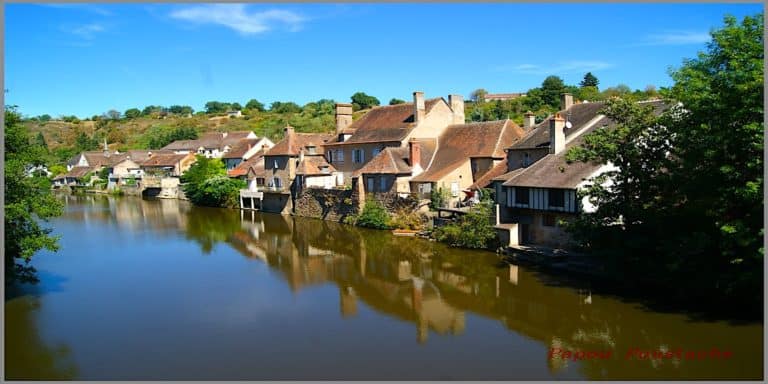
Hérisson, a picturesque medieval village nestled at the foot of the vestiges of the castle of the Dukes of Bourbon and ranked ‘small town of character’

Portbail, a renowned seaside resort of Normandy and historical village that boasts the vestiges of the oldest Christian baptistery in Northern France

Vaison-la-Romaine, a medieval city of Vaucluse in Provence that boasts an impressive number of Roman ruins including a 1st century AD single arch bridge
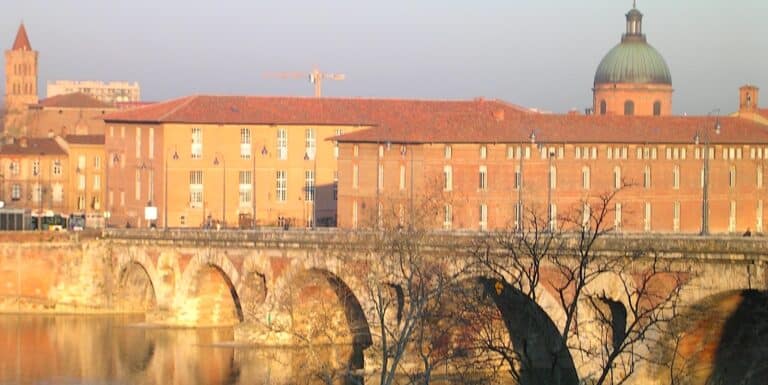
The historical capital of Languedoc is nicknamed Toulouse the Pink City because of its red-pink bricks and tiles produced with the local clay, a construction material introduced by the Romans 2000 years ago

Castel Merle prehistoric site in Dordogne is one of the longest continuously occupied sites in Europe and boasts the highest concentration of prehistoric habitats on the continent
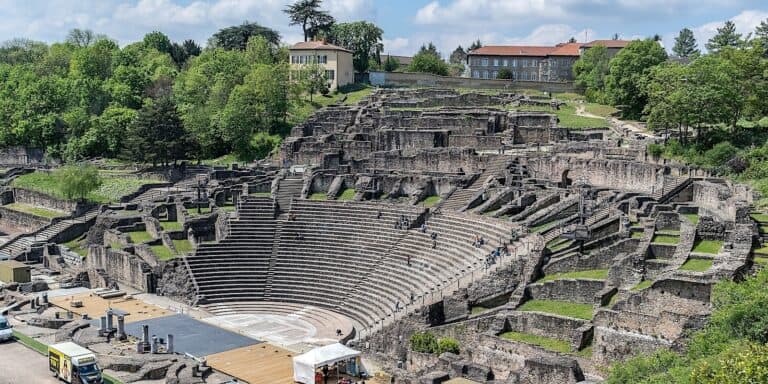
La Colline de Fourvière in Lyon, a hill that overlooks the Saône and Rhône rivers and the site where the Romans founded the antic city of Lugdunum in 43BC
Welcome! Our website uses cookies to enhance your experience. Cookies are little files saved on your device that help us remember your preferences and understand how you use our site.
For more details, please review our cookie statement.
Independent Analytics Professional runs inside your WordPress site and tracks visitors in a privacy‑friendly manner. It does not use cookies or store personally identifiable information (PII); all data is stored on your server. Since it uses cookie‑less tracking, no consent is required and this tracking is always active.
These cookies remember your choices, such as your preferences for embedded videos.
We use plugins that let you easily share our content on social media.