Life in Cemelenum

Cemelenum attests of the Roman presence on the picturesque hills of Cimiez, on the heights of the city of Nice.
Founded by Emperor Augustus in 14 BC, Cemelenum housed a military garrison to protect the Via Julia Augusta, a vital artery connecting Rome to its provincial territories and intersecting other important Roman roads in Arles.
At its height, Cemelenum housed at least three Roman cohorts, comprising between 1,000 and 1,500 men, and boasted a thriving population of up to 10,000 inhabitants.
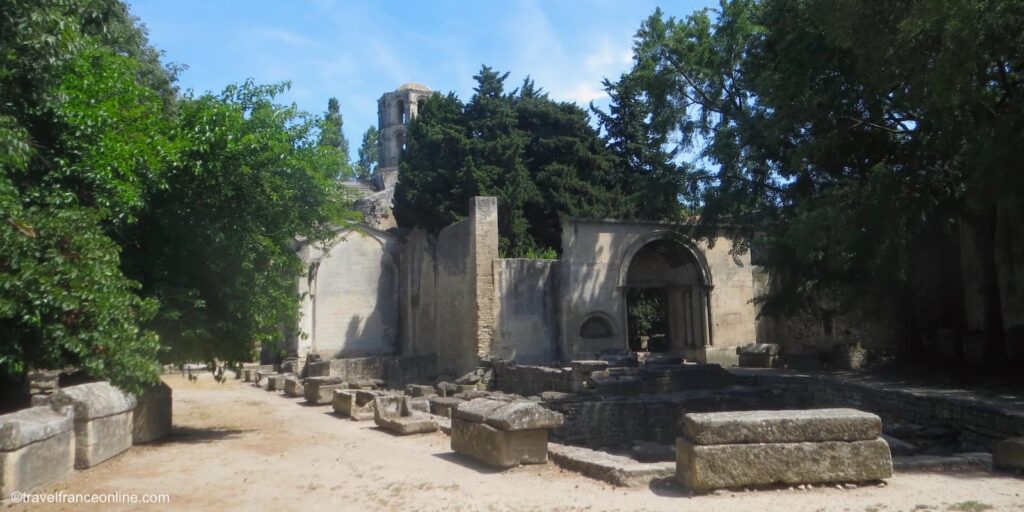
The remains of this bustling ancient city endure through the multitude of ruins and artefacts scattered throughout Cimiez and its surroundings.

However, despite its rich archaeological potential, only the arena and the baths have been the subject of extensive excavation and research to date.
These excavation sites form the open-air section of the Cimiez-Nice Archaeological Museum, which offers a glimpse into the importance of Cemelenum.
Surprisingly, the Colosseum arena was considered “small,” yet it could accommodate approximately 5,000 spectators and hosted various spectacles, including gladiatorial combats, wild animal hunts, torture, executions, and games.
Cemelenum Roman baths

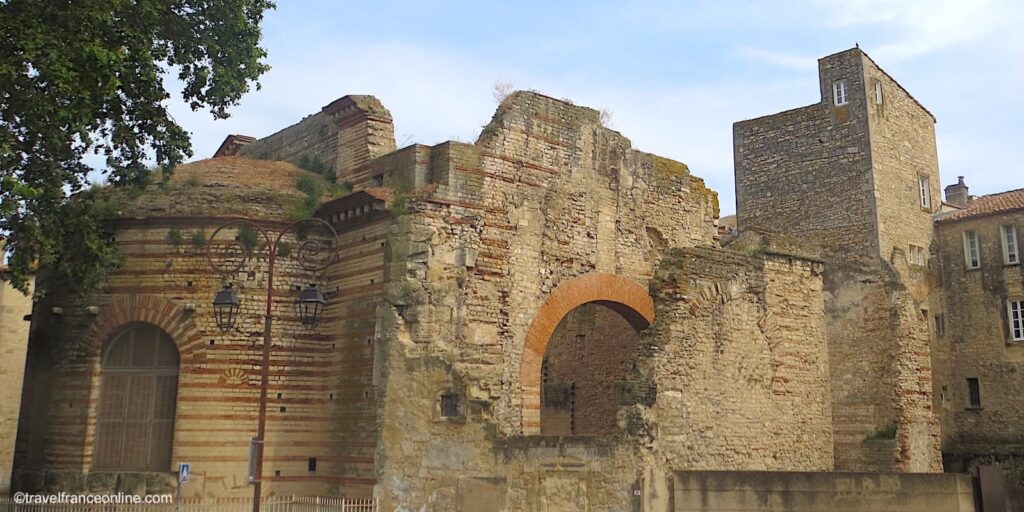
Bathing held an important place in the daily lives of the Romans. It indeed served not only as a hygiene ritual but also as a place for socialising and relaxation.
Cemelenum had three distinct bathhouses, all equipped with luxurious facilities. Adorned with marble floors and illuminated by stained-glass windows, these baths offered a complete experience.
Bathers passed through a succession of rooms, beginning with the Tepidarium (warm room), followed by the Laconicum (circular chamber bathed in intense dry heat), and ending with the Caldarium (hot room).
For those who frequented the Northern and Western Baths, a dip in the Natatio (hot pool) was followed by a refreshing plunge in the Frigidarium (cold room).

Each bath complex also included areas dedicated to physical exercise, extensive gardens, and essential facilities such as latrines.
These baths were supplied with water by aqueducts and maintained by a network of pipes that ensured water circulation in the pools, rinsing of latrines, and waste-water disposal.
An underfloor heating system (a hypocaust system) guaranteed a comfortable temperature throughout the baths.
Wood fires in a central boiler room produced hot air, which circulated through ducts under the floors and diffused into the various rooms, while the smoke from the fires was vented through wall vents.
And of course, the layout of the different bathrooms was designed so that the warmest rooms were closest to the boiler room, with the temperature gradually decreasing towards the more distant rooms.
Cemelenum – Archaeological Museum of Nice
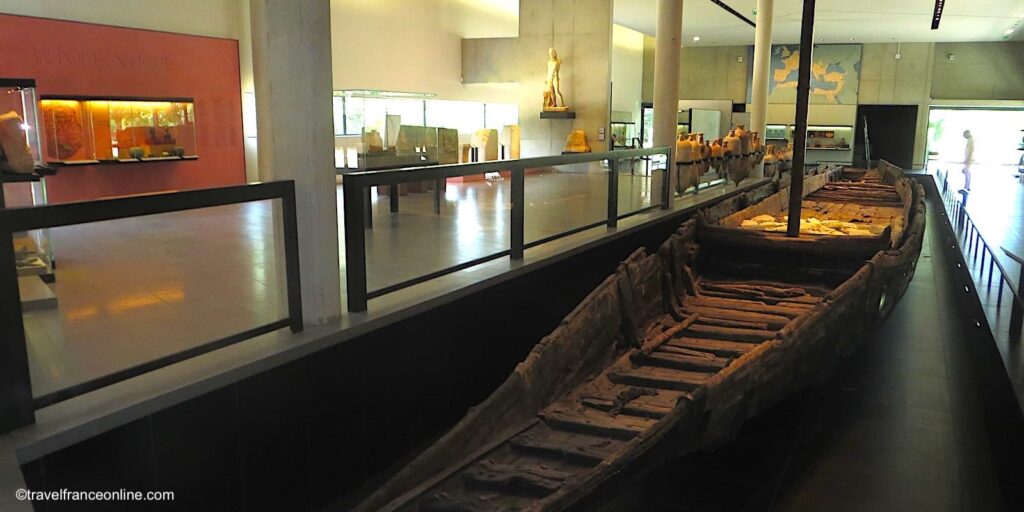
The Cemelenum Archaeological Museum houses a fascinating collection of artefacts, including an abundance of pottery, sculptures, and, most notably, amphorae.

The use of amphorae dates back to the Neolithic period, as they were essential for transporting and storing goods. The museum exhibits also remains dating back to 1100 BC, from the late Bronze Age.
The amphorae found at Cemelenum likely played a crucial role in the trade and preservation of wine, as the region is renowned for its vineyards.
However, the museum’s main collection consists of artefacts left by the Greeks and Romans.
A magnificent marble sculpture of Antonia Augusta, dating to the 1st century AD stands out. Antonia’s lineage is illustrious: daughter of Mark Antony, mother of Claudius, grandmother of Caligula and great-grandmother of Nero, she indeed occupies a prominent place in history.
Department of Alpes-Maritimes – Nice
Coordinates: Lat 43.719309 – Long 7.275125
Credits: Photos are ©melangedmagic – Evelyn Jackson – Photo Wikimedia Commons: Header by Édouard Hue (User:EdouardHue) CC BY-SA 3.0