
Châtaigneraie Cantalienne


Mourjou, the capital of La Châtaigneraie
Aurillac is the capital of the Cantal department and the largest town in La Châtaigneraie region.

But Mourjou, a quaint village of 326 inhabitants, is considered the capital of La Châtaigneraie. Nestled in rolling hills at an altitude of 400 metres, Mourjou enjoys a mild and temperate climate, which undoubtedly explains its former name, Monjovis, meaning Mountain of Joy.
But above all, Mourjou is proud of its two-hundred-year-old chestnut tree, which won the Tree of the Year award in 2015. This majestic tree has become an emblem of La Châtaigneraie, and it features on the poster for the Chestnut Festival, which attracts nearly 25,000 visitors each year during the second-to-last weekend of October. But, the notoriety of the chestnut tree in Mourjou extends beyond local festivals: it even featured in the film “Les Saisons” (Seasons) by Jacques Perrin and Jacques Cluzaud, released in 2014. The inhabitants of Mourjou assert that the tree has never been pruned or felled within living memory!
Petite Cités de Caractère du Cantal – La Châtaigneraie
If you’re a fan of medieval architecture, the picturesque “Petites Cités de Caractère” (Small Towns of Character) of the Cantal region are sure to charm you!
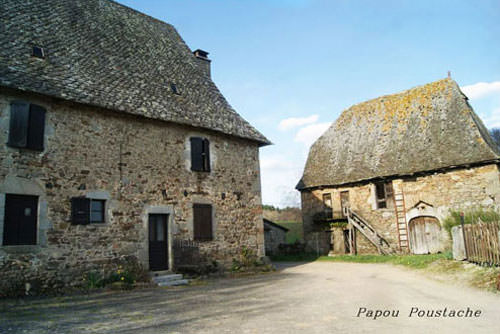
Marcolès, nestled in the heart of La Châtaigneraie , hosts several festivals throughout the summer, including the “Les Nuits de Marcolès” (Nights of Marcolès) and“Lez’Arts of the Street,” (Street Arts), bringing its historic streets to life.
Further south, Senézergues celebrates its annual walnut festival, the Fête de la Noix, every October. Although its 13th-century castle is closed to the public, you can admire its four round towers overlooking the lush surrounding valley.
Maurs, located west of La Châtaigneraie, is another medieval gem hidden behind its ramparts. Its abbey Church of Saint-Césaire, dating from the 14th and 15th centuries, houses an impressive collection of religious artefacts, including wooden choir stalls and statues listed as Historical Monuments, as well as the reliquary bust of Saint Césaire.

Montsalvy, near Maurs, is home to the impressive Château de Montsalvy, built on the foundations of the village’s old ramparts. Originally constructed as a manor house, its remarkable 18th-century tower earned it the title of “château.” Today, it houses a retirement home. Montsalvy is also known for its renowned annual Basketry Fair.
Laroquebrou, renowned for its medieval architectural heritage, is nestled in the heart of the Cère gorges, a spectacular series of canyons in southern Cantal.
Tournemire, about 20 km north of Aurillac, is home to the Château d’Anjony. This magnificently restored 15th-century castle features superb 16th-century frescoes. Its four imposing round towers overlook the village of Tournemire, which is also listed among the Plus Beaux Villages de France – Most Beautiful Villages of France.
Culinary tradition
La Châtaigneraie region is renowned not only for its breathtaking landscapes and medieval architecture, but also for its rich culinary heritage. Here are some of the most well-known:
- Truffade (a potato and cheese dish)
- Porc sausages
- Pounti (a type of sweet and savory brioche)
- Walnut and chestnut liqueurs
- The delicious AOC Cantal fermier cheese
Department of Cantal – Auvergne region
Coordinates Mourjou: Lat 44.691890 – Long 2.329928
Photo via Wikimedia Commons: Header by yihyejin CC0 – Other Photos and source text by Poustache


